Psalms: Honest to God

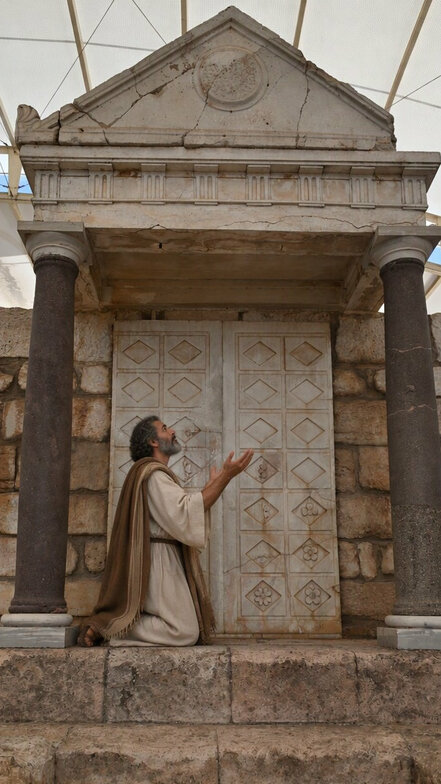
“My God, my God, why have you forsaken me? Why are you so far from helping me, from the words of my groaning?” Jesus uttered these heartfelt words from the cross. Mk. 15:34. In doing this, and steeped in scripture, he quoted Psalm 22:1, a passage attributed to his ancestor David, whose enemies attacked him, sometimes unprovoked.
And during his ministry, Jesus recited or relied on at least seven other passages from Psalms. Matt. 21:16, 42, 44, 26:64; Lu. 23:46; Jn. 13:18, 15:25 (respectively, from Ps. 8:2, 118:22-23, 110:1, 31:5, 41:9, 35:19, 69:4).
From can we learn from Jesus’ reliance on these passages from Psalms? In Praying the Psalms: Engaging Scripture and the Life of the Spirit (2d ed. 2007), Walter Brueggemann argues that Christians should recover the Psalms as the church's primary language for honestly engaging God amid the realities of human life. Loss, chaos, suffering, and unexpected renewal often drive people to pray.
Far from being polite religious poetry, the Psalms are daring, passionate speech that give voice to the full range of human experience before God. They refuse religious pretense. They speak concretely about pain, fear, anger, hatred, longing, hope, and gratitude. Psalmic authors often do not separate what they feel from what they say; instead, they bring everything before God. Such honesty reflects a God who is not distant but engaged, responsive, and willing to enter into genuine dialogue with God's people.
Brueggemann also emphasizes the creative power of Psalmic language. The Psalms do not merely describe reality; they help create new possibilities of faith and imagination. Their poetic, metaphorical speech enables worshipers to move beyond conventional ways of seeing and to discover God's transforming work amid crises. The task of prayer is to bring together the bold language of the Psalms and the extremities of lived experience so that each interprets the other.
Brueggemann also urges Christians to recognize the Jewish character of the Psalms. He observes that Christians often sanitize, select, or spiritualize the Psalms to avoid their uncomfortable particularity. Brueggemann contends that genuine Christian use of the Psalms requires honoring their Jewish origins and learning from the concrete faith, hope, suffering, and longing they express. Jesus himself prayed these prayers as a Jew, providing the bridge between Jewish prayer and Christian faith.
Finally, Brueggemann addresses the troubling Psalms that express vengeance and anger. Rather than suppressing such texts, he argues that they reveal the truth about the human heart. The Psalms teach believers to voice rage honestly before God rather than act upon it. In prayer, vengeance is relinquished to God, whose justice and compassion belong together. Thus, the harsh Psalms become instruments of healing, moving the worshiper from hidden resentment toward trust, mercy, and compassion.
In summary: Brueggemann presents the Psalms as Scripture's school of prayer, teaching believers to speak truthfully before God, to embrace both suffering and hope, to honor the Jewish roots of faith, and to discover through poetic prayer God's surprising power to bring new life out of chaos and disorientation.
On January 18, 2027, the Reading Circle will discuss via Zoom this book. The Reading Circle is one of our congregation’s small groups. An overview of these is at Small Groups | Arlington Church of Christ. Do not miss the opportunity they provide to deepen your faith and understanding!